



0
Mon-Fri: 9:00 am - 6:00 pm
Sat: 9:00 am - 4:00 pm
Sun: 9:00 am - 2:00 pm
8-100-9000-300
demo@demo.com27 Oak Street, Tenafly, US, 07670
Free delivery all orders of $120 or more of eligible items across any product category qualify
Credit Card: Visa, MasterCard, Maestro, American Express
You can return any item purchased within 16 days of the delivery date
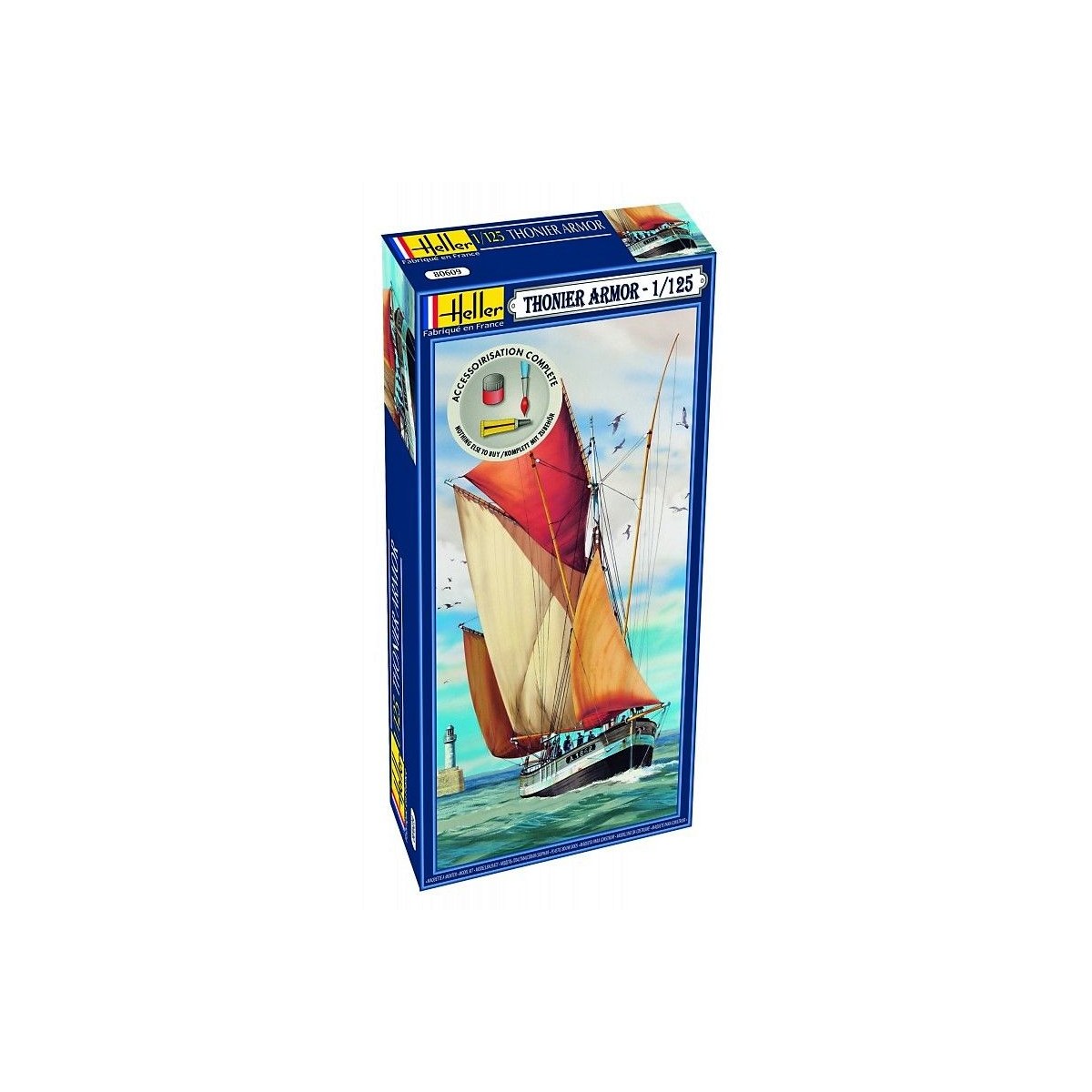
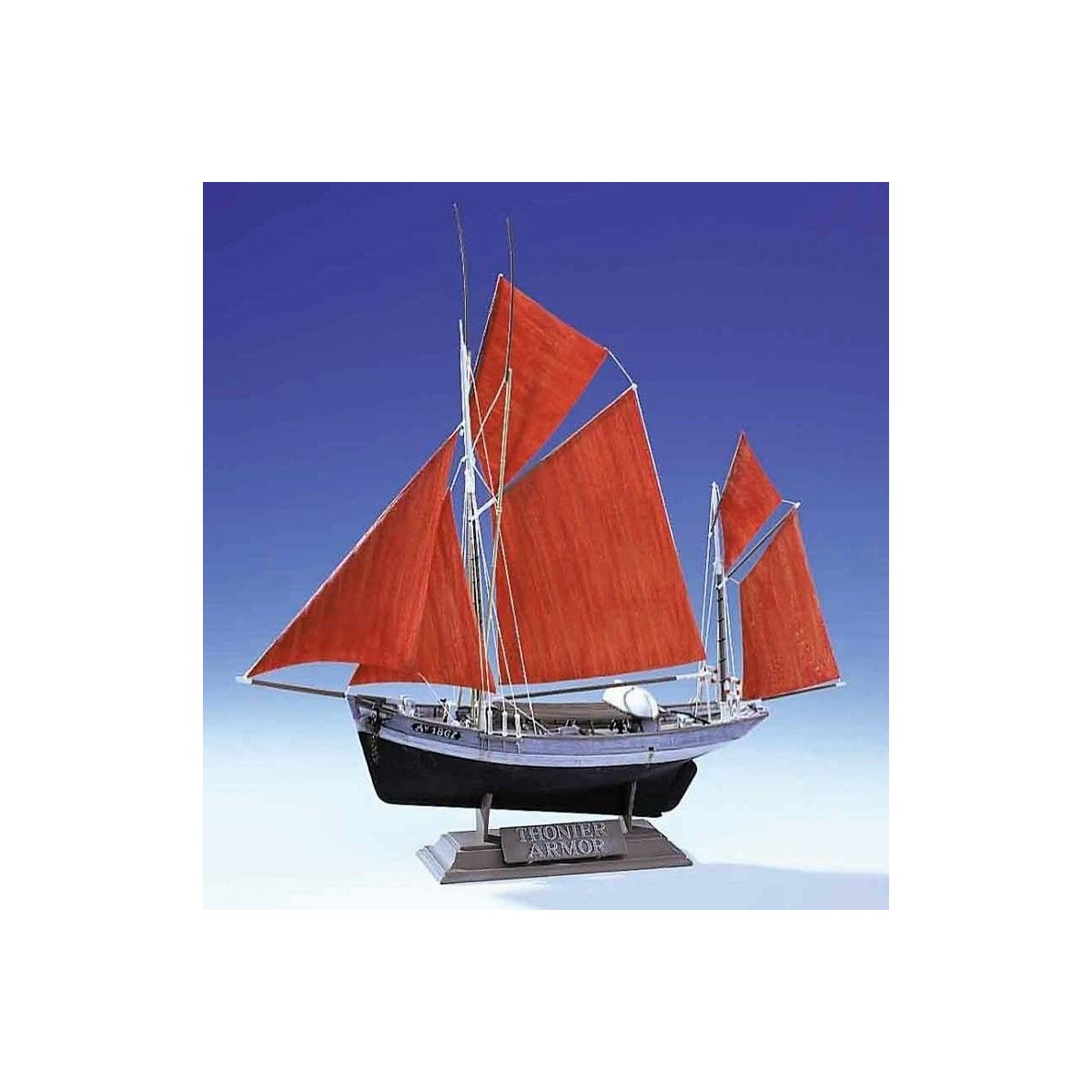
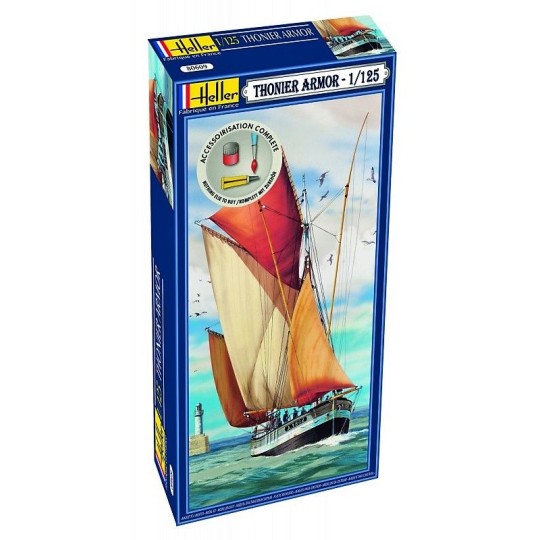
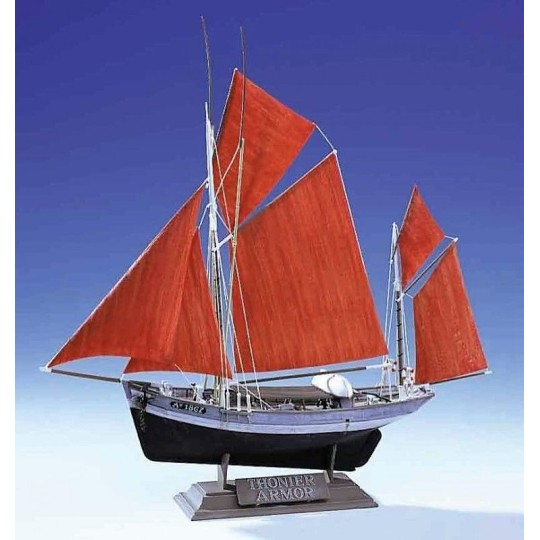
Tuna Boat Armor 1/125 Heller
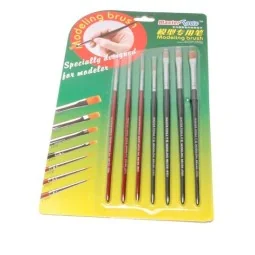
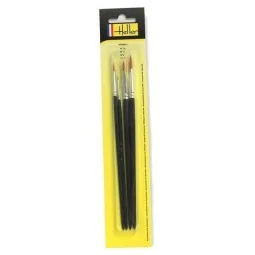
Model kit to assemble and paint. Brushes, glue and paint included.
Model dimensions: 22.8 x 23.5 cm (length x height)
89 pieces
The origins of fishing for 15 kg albacore tuna using boats are poorly understood, but appear to be ancient. Between June and October, schools of tuna migrate along the Basque coast, then head north up the Bay of Biscay, gradually moving further offshore. This deep-sea fishing entails two types of constraints: owning boats capable of withstanding the open sea and being able to return quickly to port to sell the catch while it is still edible, especially in case of storms. Around 1850, the fishermen of Groix Island, following the example of those on Yeu and Ré Islands, used their sardine boats and fishing vessels, which they rigged for tuna fishing during the season using trolling lines. Their decked boats possessed obvious qualities of sturdiness, but also some significant drawbacks, such as long keels that made them unsuitable for quick maneuvers. In the 1880s, a new type of boat appeared: the dandy, quickly shortened to the French name dundee. It was a "gaff-rigged cutter," meaning it had two masts: a mainmast, always made from a single piece of wood, a mainsail, a headsail (the jib), and a mizzen (the stern sail). The dundee's main characteristic, which distinguishes it from other gaff-rigged cutters, was the presence of a gaff shank for adjusting the mizzen sheet, instead of a boom pivoting around the mast. The keel could exceed 12 meters in length. It was described as "in-division" (the stern rake steeply compared to the stem) to facilitate quick tacks. The vessel could measure between 50 and 60 tons, crewed by about fifteen men. As soon as a school of fish is spotted, sometimes even as soon as the vessel leaves the harbor, the two outriggers, each rigged with seven lines, are lowered. The boat must maintain a speed of 5 to 7 knots, an essential condition for albacore fishing. Fishermen knew where to drag their lines thanks to several signs: the churning of the surface caused by the tuna's movements while hunting sardines; the slapping of the tuna's wake in the waves; and, like an oil slick, the school of tuna huddled close to the surface, slowing the choppy sea. From 1905 onward, the flat-bottomed tuna boat, the dundee, definitively acquired its characteristic slender shape and its renown, becoming the symbol of sail fishing until the eve of the Second World War. In the early 1930s, there were more than 870 tuna boats in Brittany. Sail fishing for tuna ceased definitively in 1962.
Features :
Plastic model kit to build and paint.
Brushes, glue and paint included.
Model dimensions: 22.8 x 23.5 cm (length x height)
89 pieces