




How to paint a scale model: complete guide for a realistic finish
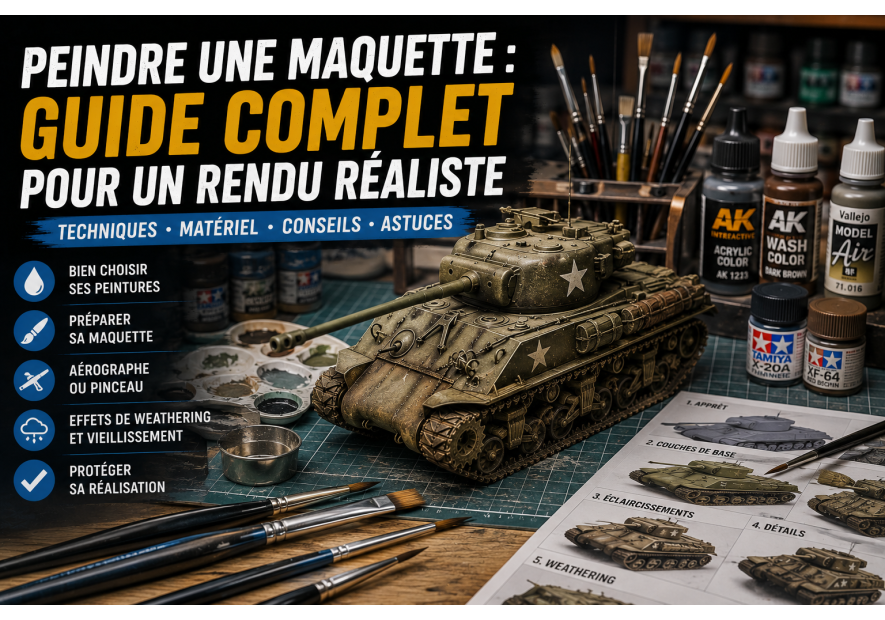
Painting quality is built in layers: preparation, primer, controlled color coats, and final protection. A structured workflow gives cleaner results than rushing to weathering effects too early.
1. Prepare the model before paint
Fix seams, remove dust, and stabilize surfaces before primer. If needed, read first: pre-paint preparation guide.
2. Primer stage: build a reliable base
Apply thin, even primer layers. Primer improves adhesion and highlights defects that should be corrected before color coats.
3. Brush or airbrush: choose by task
- Brush: excellent for details and localized corrections.
- Airbrush: ideal for smooth base coats and controlled gradients.
4. Build color in thin passes
Use multiple light coats instead of one heavy pass. This preserves fine details and reduces runs, texture issues, and uneven sheen.
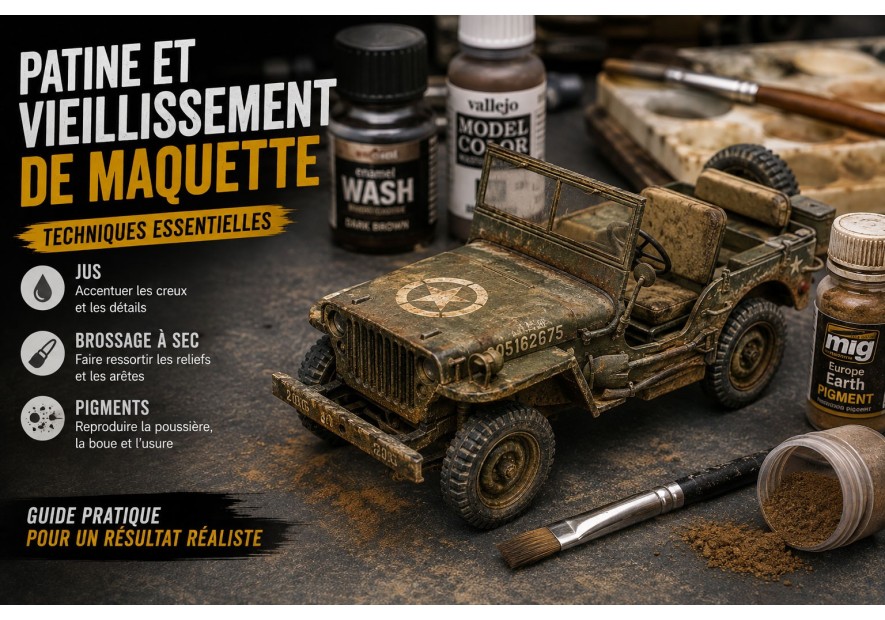
5. Weathering with control
Use washes, dry-brushing, filters, and subtle streaking only after base paint is stable. Keep effects coherent with scale and operational context.
6. Decals and protective varnish
Apply decals on a suitable smooth surface, then seal the result with the finish you need: matte, satin, or gloss depending on project style.
7. Related guides and categories
Scale-model painting FAQ
How many primer coats should I apply?
Usually one to two thin coats are enough to reveal defects and prepare a stable paint base.
Can I paint a model without primer?
Possible in some cases, but primer generally improves consistency and final durability.
Should I varnish every model?
In most workflows, yes. Varnish protects paint and decals while unifying final finish.
